
Aerospace engineering is a discipline that thrives on innovation, precision, and adaptability. As the industry moves toward faster, safer, and more sustainable solutions, techniques like flow visualization and system architecture design are becoming indispensable. These tools not only enhance aerodynamic understanding but also ensure that complex systems operate seamlessly under extreme conditions.
Introduction to Aerospace Innovation
The aerospace sector faces growing demands for efficiency, safety, and environmental responsibility. Engineers must design systems that balance these priorities while preparing for future challenges such as hypersonic travel, autonomous flight, and sustainable aviation. By combining advanced materials, predictive modeling, and integrated design frameworks, the industry is setting new standards for excellence.The Importance of Flow Visualization
Flow visualization provides engineers with a clear picture of how air interacts with aircraft surfaces. This technique transforms invisible aerodynamic forces into visible patterns, enabling refinements in design and performance. From optimizing wing structures to improving cooling systems, flow visualization is a cornerstone of modern aerospace research.System Architecture Design in Modern Aerospace
Effective system architecture design ensures that hardware, software, and human interfaces work together seamlessly. It provides the blueprint for integrating subsystems into a cohesive whole, reducing risks and enhancing reliability.Modular and Scalable Frameworks
Modular design allows engineers to upgrade or replace components without redesigning the entire system. This adaptability ensures long-term efficiency and supports future technological advancements.Integration Challenges
Integrating multiple subsystems requires rigorous testing and standardized protocols. Engineers must ensure flawless communication between components, often in real time, to prevent failures during flight operations.Digital Twins and Predictive Modeling
Digital twins—virtual replicas of physical systems—are revolutionizing aerospace engineering. By simulating performance under various conditions, engineers can predict outcomes, anticipate failures, and optimize maintenance schedules.Benefits of Predictive Modeling
- Faster development cycles
- Reduced reliance on physical prototypes
- Enhanced safety through early detection of potential issues
Advanced Materials and Safety Enhancements
Safety remains the foundation of aerospace engineering. Innovations in materials science are enabling lighter, stronger, and more heat-resistant components. Composites and alloys reduce weight while maintaining durability, making them ideal for high-speed and high-altitude flights.Real-Time Monitoring Systems
Modern aircraft are equipped with sensors that provide continuous feedback on performance. Integrated into system architecture design, these systems alert pilots and engineers to anomalies, allowing immediate corrective action.Flow Visualization in Training and Education
Beyond research, flow visualization is a powerful educational tool. By making airflow patterns visible, it helps students and professionals grasp complex aerodynamic concepts.Example in Training Programs
Variable stability simulators allow trainees to safely experience different flight dynamics. Combined with visualization techniques, these simulators prepare students for real-world challenges and foster innovation.The Future of Aerospace Engineering
The future of aerospace lies in merging traditional expertise with modern technology. Hypersonic travel, autonomous aerial systems, and sustainable aviation are key areas of exploration. Each relies on flow visualization and system architecture design to ensure success.Sustainable Aviation
Environmental concerns are driving the development of electric propulsion, hydrogen fuel, and hybrid systems. Flow visualization helps optimize these designs for efficiency, while system architecture ensures they integrate seamlessly into existing frameworks.Autonomous Flight Systems
Autonomous aircraft are becoming increasingly viable. Their success depends on robust system architecture design, which guarantees safe operation even in complex environments.Conclusion
Aerospace engineering is being redefined by the synergy between flow visualization and system architecture design. Together, they provide the insights and frameworks necessary to create safer, more efficient, and sustainable flight systems. As engineers continue to refine these tools, the industry is poised to achieve breakthroughs that will reshape the future of aviation and space exploration.Attachments
-
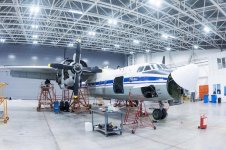 white-transport-turboprop-airplane-hangar-checking-mechanical-systems-flight-operations_527900...jpg84.6 KB · Views: 0