
Penile implant surgery is a highly effective and long-term solution for men suffering from erectile dysfunction (ED) who have not responded to medications or other conservative treatments. While ED is often treated with pills, injections, or lifestyle modifications, some men require a more permanent and reliable solution. In such cases, penile implants offer renewed sexual function, confidence, and improved quality of life.
This comprehensive guide explains everything you need to know about penile implant surgery — including types of implants, procedure details, benefits, risks, recovery, cost considerations, and frequently asked questions.
Erectile dysfunction is the inability to achieve or maintain an erection sufficient for sexual intercourse. It can be caused by:
According to the National Institute of Diabetes and Digestive and Kidney Diseases, ED becomes more common with age but is not considered a normal part of aging. When oral medications such as PDE5 inhibitors fail, surgical intervention may be recommended.
Penile implant surgery is a medical procedure that places a prosthetic device inside the penis to allow men to achieve an erection manually. The implant replaces the natural erectile mechanism when it is no longer functioning properly.
Unlike medications, implants provide a dependable and spontaneous solution without the need for timing pills or injections before intercourse.
There are two main types of penile implants:
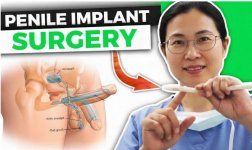
Inflatable implants are the most popular and natural-feeling option. These consist of:
When the pump is pressed, fluid moves into the cylinders, creating an erection. After intercourse, the device can be deflated.
Popular manufacturers include companies like Boston Scientific and Coloplast, which produce advanced three-piece inflatable implants.
Malleable implants consist of bendable rods inserted into the penis. The penis remains firm but can be positioned manually.
You may be a suitable candidate if:
A urologist will evaluate your condition through physical examination, medical history, and sometimes imaging tests.
Penile implant surgery typically takes 45–90 minutes and is performed under general or spinal anesthesia.
You are given anesthesia to ensure comfort during the procedure.
A small incision is made either:
The surgeon inserts cylinders inside the erectile chambers (corpora cavernosa). For inflatable implants, the pump and reservoir are placed through the same incision.
The incision is closed with dissolvable stitches.
Most patients go home the same day or within 24 hours.
Recovery usually takes about 4–6 weeks before resuming sexual activity.
Your doctor will teach you how to operate the implant after healing.
Penile implants have very high satisfaction rates among patients and their partners.
No more uncertainty — erections occur whenever desired.
Studies show satisfaction rates above 85–90%.
The implant does not affect:
Modern implants can last 10–20 years.
Although generally safe, risks include:
Infection risk is slightly higher in diabetic patients.
Surgeons follow strict sterilization protocols, often guided by standards from the American Urological Association.
Implants are typically considered when other treatments fail.
Costs vary depending on:
In the United States, surgery can range between $15,000–$25,000. Insurance may cover the procedure if medically necessary.
In countries like Pakistan, India, and Turkey, costs are generally lower.
Always consult certified urologists and reputable hospitals.
Erectile dysfunction can cause:
Penile implant surgery often restores confidence and intimacy. Many couples report improved relationship satisfaction after surgery.
Modern devices are highly durable.
If malfunction occurs, revision surgery may be required.
No. The device is completely internal and invisible.
No. It restores previous erectile length but does not enlarge the penis.
No. Sensitivity and orgasm remain the same.
The natural erectile tissue is replaced, so reversal is not possible.
Pain is moderate and manageable with medication.
Before surgery, you may need:
Your surgeon will discuss:
To maintain implant longevity:
Success depends greatly on the surgeon’s experience. Look for:
Consultation is essential to discuss goals and concerns.
Penile implant surgery is one of the most effective treatments available for severe erectile dysfunction. It provides reliable, spontaneous erections and significantly improves quality of life for men and their partners.
While the decision to undergo surgery should be made carefully after consultation with a qualified urologist, modern implants are safe, durable, and highly satisfying.
If you or someone you know struggles with persistent erectile dysfunction that does not respond to medications, penile implant surgery may be a life-changing solution.
This comprehensive guide explains everything you need to know about penile implant surgery — including types of implants, procedure details, benefits, risks, recovery, cost considerations, and frequently asked questions.
Understanding Erectile Dysfunction (ED)
Erectile dysfunction is the inability to achieve or maintain an erection sufficient for sexual intercourse. It can be caused by:
- Diabetes
- Heart disease
- High blood pressure
- Obesity
- Hormonal imbalance
- Nerve damage
- Psychological factors
- Post-prostate surgery complications
According to the National Institute of Diabetes and Digestive and Kidney Diseases, ED becomes more common with age but is not considered a normal part of aging. When oral medications such as PDE5 inhibitors fail, surgical intervention may be recommended.
What Is Penile Implant Surgery?
Penile implant surgery is a medical procedure that places a prosthetic device inside the penis to allow men to achieve an erection manually. The implant replaces the natural erectile mechanism when it is no longer functioning properly.
Unlike medications, implants provide a dependable and spontaneous solution without the need for timing pills or injections before intercourse.
Types of Penile Implants
There are two main types of penile implants:
1. Inflatable Penile Implants (Most Common)
Inflatable implants are the most popular and natural-feeling option. These consist of:
- Two cylinders placed inside the penis
- A fluid reservoir placed in the abdomen
- A pump placed in the scrotum
When the pump is pressed, fluid moves into the cylinders, creating an erection. After intercourse, the device can be deflated.
Advantages:
- Most natural erection appearance
- Flaccid state when deflated
- Better control over firmness
Popular manufacturers include companies like Boston Scientific and Coloplast, which produce advanced three-piece inflatable implants.
2. Malleable (Semi-Rigid) Implants
Malleable implants consist of bendable rods inserted into the penis. The penis remains firm but can be positioned manually.
Advantages:
- Simpler surgery
- Lower cost
- Easier to use
Disadvantages:
- Penis remains semi-rigid at all times
- Less natural appearance
Who Is a Candidate for Penile Implant Surgery?
You may be a suitable candidate if:
- You have severe ED unresponsive to medication
- You have Peyronie’s disease with significant curvature
- You have nerve damage from prostate surgery
- You prefer a permanent solution
- You are medically fit for surgery
A urologist will evaluate your condition through physical examination, medical history, and sometimes imaging tests.
The Surgical Procedure: Step-by-Step
Penile implant surgery typically takes 45–90 minutes and is performed under general or spinal anesthesia.
Step 1: Anesthesia
You are given anesthesia to ensure comfort during the procedure.
Step 2: Incision
A small incision is made either:
- At the base of the penis
- In the lower abdomen
- Between the penis and scrotum
Step 3: Implant Placement
The surgeon inserts cylinders inside the erectile chambers (corpora cavernosa). For inflatable implants, the pump and reservoir are placed through the same incision.
Step 4: Closure
The incision is closed with dissolvable stitches.
Most patients go home the same day or within 24 hours.
Recovery and Aftercare
Recovery usually takes about 4–6 weeks before resuming sexual activity.
Immediate Post-Surgery
- Mild swelling and bruising
- Discomfort managed with pain medication
- Antibiotics to prevent infection
First Few Weeks
- Avoid heavy lifting
- Avoid sexual activity
- Follow doctor instructions carefully
Your doctor will teach you how to operate the implant after healing.
Benefits of Penile Implant Surgery
Penile implants have very high satisfaction rates among patients and their partners.
1. Reliable Erections
No more uncertainty — erections occur whenever desired.
2. High Satisfaction Rates
Studies show satisfaction rates above 85–90%.
3. Natural Sensation
The implant does not affect:
- Orgasm
- Sensitivity
- Ejaculation (unless previously affected)
4. Long-Term Solution
Modern implants can last 10–20 years.
Risks and Complications
Although generally safe, risks include:
- Infection (1–3% in most cases)
- Implant malfunction
- Bleeding
- Pain
- Scar tissue formation
Infection risk is slightly higher in diabetic patients.
Surgeons follow strict sterilization protocols, often guided by standards from the American Urological Association.
Penile Implant vs Other ED Treatments
| Treatment | Effectiveness | Spontaneity | Long-Term Solution |
|---|---|---|---|
| Oral Medications | Moderate | Limited | No |
| Injections | High | Limited | No |
| Vacuum Devices | Moderate | Mechanical | No |
| Penile Implant | Very High | Yes | Yes |
Implants are typically considered when other treatments fail.
Cost of Penile Implant Surgery
Costs vary depending on:
- Country
- Hospital
- Type of implant
- Surgeon expertise
In the United States, surgery can range between $15,000–$25,000. Insurance may cover the procedure if medically necessary.
In countries like Pakistan, India, and Turkey, costs are generally lower.
Always consult certified urologists and reputable hospitals.
Psychological and Relationship Impact
Erectile dysfunction can cause:
- Anxiety
- Depression
- Relationship stress
- Low self-esteem
Penile implant surgery often restores confidence and intimacy. Many couples report improved relationship satisfaction after surgery.
Longevity of Penile Implants
Modern devices are highly durable.
- 5-year survival rate: Over 90%
- 10-year survival rate: Around 80–85%
If malfunction occurs, revision surgery may be required.
Frequently Asked Questions (FAQs)
1. Will others know I have an implant?
No. The device is completely internal and invisible.
2. Does it increase penis size?
No. It restores previous erectile length but does not enlarge the penis.
3. Is sensation affected?
No. Sensitivity and orgasm remain the same.
4. Can it be reversed?
The natural erectile tissue is replaced, so reversal is not possible.
5. Is the surgery painful?
Pain is moderate and manageable with medication.
Preparing for Surgery
Before surgery, you may need:
- Blood tests
- Urine tests
- Cardiac clearance
- Diabetes control
Your surgeon will discuss:
- Implant type
- Risks
- Expectations
- Recovery plan
Lifestyle Tips After Surgery
To maintain implant longevity:
- Control diabetes
- Maintain healthy weight
- Avoid smoking
- Follow medical advice
- Attend follow-up appointments
Choosing the Right Surgeon
Success depends greatly on the surgeon’s experience. Look for:
- Board-certified urologist
- Extensive implant experience
- Hospital accreditation
- Positive patient reviews
Consultation is essential to discuss goals and concerns.
Final Thoughts
Penile implant surgery is one of the most effective treatments available for severe erectile dysfunction. It provides reliable, spontaneous erections and significantly improves quality of life for men and their partners.
While the decision to undergo surgery should be made carefully after consultation with a qualified urologist, modern implants are safe, durable, and highly satisfying.
If you or someone you know struggles with persistent erectile dysfunction that does not respond to medications, penile implant surgery may be a life-changing solution.
Attachments
-
 penile implant surgery.jpg55.7 KB · Views: 0