
Iron is an essential micronutrient that supports chlorophyll production and various metabolic activities in plants. When plants are unable to absorb sufficient iron, their growth and productivity are directly affected. Iron deficiency in plants is a common issue, especially in alkaline soils where iron becomes unavailable despite being present. This condition leads to yellowing leaves, weak growth, and reduced yields. A proven and efficient solution is the use of a chelated iron spray, which allows quick nutrient absorption through foliage. Understanding the symptoms, causes, and treatment methods helps farmers and gardeners maintain healthy and productive crops.
The most common symptom is interveinal chlorosis, where young leaves turn yellow while veins remain green. As the deficiency becomes severe, leaves may lose color completely and plant growth slows down. In advanced stages, flowering and fruit development are also affected, leading to reduced yield. Crops such as vegetables, fruits, and legumes are particularly sensitive to this condition. Early detection is essential to prevent long-term damage and maintain plant health.
How do you fix iron deficiency in plants?
Involves providing immediate nutrient supply and improving soil conditions for sustained plant health. Foliar application is one of the fastest ways to correct iron deficiency because it delivers nutrients directly to plant tissues.
Effective solutions include:
Chelated iron is considered one of the most effective supplements because it remains stable and easily absorbed by plants. It is widely used in agriculture for its reliability and consistent performance. Liquid formulations are especially suitable for foliar application, providing quick and uniform results.
Agricultural inputs from Utkarsh Agro are designed to deliver nutrients efficiently and support plant health. Choosing high-quality supplements ensures better absorption and reduces the need for repeated applications.
Chelated iron is chemically protected, which prevents such reactions and keeps it soluble. This allows plants to absorb it more efficiently, resulting in faster correction of deficiency symptoms. It is particularly useful in soils with high pH where traditional fertilizers fail to perform.
Another advantage is its flexibility in application methods. Chelated iron can be used in soil applications, irrigation systems, or foliar sprays, making it suitable for various farming practices and crop types.
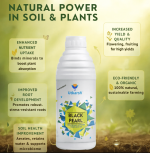
solution by delivering iron directly to plant tissues. When combined with proper soil management and balanced fertilization, it ensures long-term prevention of deficiency. Managing iron deficiency in plants effectively helps farmers and gardeners achieve consistent yields and improved crop quality. Regular monitoring and proper application practices are essential for maintaining healthy plants.
Chelated iron for plants is widely used to correct micronutrient deficiencies and improve plant growth. It ensures that iron remains available even under challenging soil conditions.
When applied as a foliar spray, chelated iron is quickly absorbed through leaves and transported within the plant. This leads to rapid improvement in leaf color and overall plant health. Soil application provides longer-lasting benefits by maintaining nutrient availability around the root zone.
Proper dosage and timing are important to achieve the best results. Overapplication should be avoided to prevent nutrient imbalance. Regular monitoring helps in adjusting application according to plant needs.
Benefits include:
What is iron deficiency disease in plants?
The inability of plants to utilize available iron due to unfavorable soil or environmental conditions. High soil pH, excess lime, and poor aeration are the main factors that limit iron uptake.The most common symptom is interveinal chlorosis, where young leaves turn yellow while veins remain green. As the deficiency becomes severe, leaves may lose color completely and plant growth slows down. In advanced stages, flowering and fruit development are also affected, leading to reduced yield. Crops such as vegetables, fruits, and legumes are particularly sensitive to this condition. Early detection is essential to prevent long-term damage and maintain plant health.
How do you fix iron deficiency in plants?
Involves providing immediate nutrient supply and improving soil conditions for sustained plant health. Foliar application is one of the fastest ways to correct iron deficiency because it delivers nutrients directly to plant tissues.
Effective solutions include:
- Applying iron-based foliar sprays during early morning or evening
- Improving soil structure with organic matter
- Adjusting soil pH to enhance iron availability
- Avoiding excessive fertilizer use that interferes with nutrient uptake
What is a good iron supplement for plants?
What is a good iron supplement for plants? depends on its efficiency and ability to remain available for plant uptake. Traditional iron fertilizers may become ineffective in alkaline soils due to nutrient lock-up.Chelated iron is considered one of the most effective supplements because it remains stable and easily absorbed by plants. It is widely used in agriculture for its reliability and consistent performance. Liquid formulations are especially suitable for foliar application, providing quick and uniform results.
Agricultural inputs from Utkarsh Agro are designed to deliver nutrients efficiently and support plant health. Choosing high-quality supplements ensures better absorption and reduces the need for repeated applications.
Is chelated iron better than iron?
Is chelated iron better than iron? can be understood by comparing their effectiveness in different soil conditions. Regular iron fertilizers often react with soil elements and become unavailable to plants.Chelated iron is chemically protected, which prevents such reactions and keeps it soluble. This allows plants to absorb it more efficiently, resulting in faster correction of deficiency symptoms. It is particularly useful in soils with high pH where traditional fertilizers fail to perform.
Another advantage is its flexibility in application methods. Chelated iron can be used in soil applications, irrigation systems, or foliar sprays, making it suitable for various farming practices and crop types.
Chelated iron for plants
solution by delivering iron directly to plant tissues. When combined with proper soil management and balanced fertilization, it ensures long-term prevention of deficiency. Managing iron deficiency in plants effectively helps farmers and gardeners achieve consistent yields and improved crop quality. Regular monitoring and proper application practices are essential for maintaining healthy plants.
Chelated iron for plants is widely used to correct micronutrient deficiencies and improve plant growth. It ensures that iron remains available even under challenging soil conditions.
When applied as a foliar spray, chelated iron is quickly absorbed through leaves and transported within the plant. This leads to rapid improvement in leaf color and overall plant health. Soil application provides longer-lasting benefits by maintaining nutrient availability around the root zone.
Proper dosage and timing are important to achieve the best results. Overapplication should be avoided to prevent nutrient imbalance. Regular monitoring helps in adjusting application according to plant needs.
Is chelated iron good for plants?
Enhancing plant growth and productivity. It plays a key role in chlorophyll formation and supports essential metabolic processes.Benefits include:
- Faster recovery from yellowing leaves
- Improved plant growth and vigor
- Enhanced flowering and fruit development
- Better resistance to environmental stress