

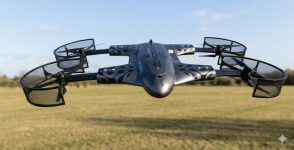
Drone technology continues to evolve rapidly, with many modern UAVs capable of impressive speeds. However, just because a drone can fly fast doesn’t mean it should. Aviation authorities around the world regulate drone operations to ensure safety in shared airspace. Understanding how fast you’re legally allowed to fly a drone is essential for both recreational and commercial pilots.
This guide explains speed restrictions, regulatory differences, and the safety factors behind these rules.
Is There a Legal Speed Limit for Drones?
In many countries, drone regulations do not always specify a direct maximum speed in miles per hour. Instead, authorities focus on safe operation standards. However, some jurisdictions do set performance-based or operational limits.For example:
- Commercial drone operators often must not exceed 100 mph (87 knots) under certain aviation frameworks.
- Recreational pilots are typically required to operate at a speed that maintains full control and visual line of sight.
- Flying recklessly, even below a stated limit, can still violate aviation laws.
Why Speed Restrictions Exist
Drone speed rules are designed to reduce risks such as:- Mid-air collisions with manned aircraft
- Injury to people on the ground
- Property damage
- Loss of control due to environmental factors
Differences Between Recreational and Commercial Rules
Recreational Pilots
Hobbyist drone operators are usually required to:- Maintain visual line of sight
- Avoid flying near airports
- Operate safely without posing hazards
Commercial Operators
Professional pilots working under aviation authorities often face stricter oversight. These may include:- Defined maximum ground speeds
- Operational waivers for special missions
- Additional safety certifications
Do Speed Limits Vary by Country?
Yes, drone laws differ significantly worldwide. Aviation authorities such as:- The Federal Aviation Administration (USA)
- The Civil Aviation Authority (UK)
- The European Union Aviation Safety Agency (EU)
Some regions clearly state maximum speed thresholds, while others rely on “safe and responsible operation” guidelines. Pilots should always review their country’s aviation authority website before flying.
How Weather and Environment Affect Legal Compliance
Even if you are flying within permitted performance thresholds, environmental conditions can impact compliance.- Strong winds may push a drone beyond safe handling speeds.
- Urban areas require slower flight due to obstacles.
- Crowded locations demand extra caution.
What Happens If You Exceed Allowed Speed?
Consequences vary depending on the country and severity of the violation. Possible penalties include:- Fines
- Suspension of drone registration
- Revocation of commercial licenses
- Legal action in cases of injury or property damage
Practical Safety Recommendations
Even when laws allow relatively high speeds, safe drone operation should always be the priority. Experts recommend:- Avoid flying at maximum speed near people or buildings
- Reduce velocity in windy conditions
- Perform regular maintenance checks
- Understand your drone’s braking distance
Final Thoughts
Modern drones are capable of remarkable speed, but legal operation depends on much more than technical capability. Aviation authorities focus on safe integration into shared airspace rather than encouraging maximum performance.
Before flying at high velocity, always check your country’s regulations, assess environmental conditions, and prioritize responsible piloting. Speed can enhance efficiency — but safety ensures long-term access to the skies.