
Pain rarely exists in isolation. It is often the culmination of structural imbalance, muscular tension, and restricted joint motion. Osteopathic manipulative therapy offers a comprehensive solution grounded in hands-on medical expertise.
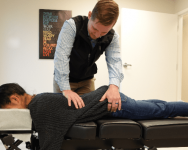
Licensed osteopathic physicians use osteopathic manipulative therapy to correct alignment, restore motion, and relieve pain at its source. Through precise manual techniques, they free restrictions in muscles, joints, and fascia, enhancing mobility and supporting the body’s natural healing process.
Osteopathic manipulative therapy then targets these dysfunctions with individualized treatment strategies.
By maintaining structural balance, individuals can move efficiently and comfortably.
Licensed osteopathic physicians use osteopathic manipulative therapy to correct alignment, restore motion, and relieve pain at its source. Through precise manual techniques, they free restrictions in muscles, joints, and fascia, enhancing mobility and supporting the body’s natural healing process.
The Comprehensive Assessment
Identifying Structural Patterns
During evaluation, physicians assess posture, spinal mechanics, and tissue texture. These findings reveal the mechanical contributors to discomfort.Osteopathic manipulative therapy then targets these dysfunctions with individualized treatment strategies.
Treatment Modalities
Rib and Thoracic Mobilization
Restricted rib motion can affect breathing mechanics and spinal mobility. osteopathic manipulative therapy restores proper rib function, improving overall movement.Pelvic Alignment Techniques
Pelvic imbalance can influence gait and spinal posture. By correcting alignment, osteopathic manipulative therapy reduces compensatory strain.Cervical and Cranial Techniques
Gentle methods relieve tension in the neck and upper spine, reducing headache frequency and improving range of motion.Long-Term Functional Improvement
Unlike short-term symptom suppression, osteopathic manipulative therapy promotes sustainable musculoskeletal health. Patients frequently experience improved posture, reduced recurrence of pain, and enhanced daily performance.By maintaining structural balance, individuals can move efficiently and comfortably.
Conclusion
Osteopathic manipulative therapy is a comprehensive, hands-on medical treatment that corrects alignment, restores motion, and relieves pain at its source. Through precise manual techniques that release restrictions in muscles, joints, and fascia, licensed osteopathic physicians improve mobility and support natural healing.Attachments
-
 Screenshot 2026-02-24 174521.png77.2 KB · Views: 0