
In today’s modern workspace, both the office environment and the way we work have undergone significant transformation. In addition to aesthetics, smart organizations prioritize productivity, comfort and sustainability. Office furniture which has developed far beyond conventional desks and chairs to become a potent tool for improving employee well-being & organizational effectiveness, is essential to this change.
Selecting the high-quality furniture that helps to create an organised workspace or encourages creativity, boosts productivity and your brand identity. whether you're a startup founder, interior designer, or company leader, it improves productivity. Comfortable furniture helps to sit for long hours. This article tells the major office furniture trends that will influence workplaces in 2026. From the clever, tech-integrated solutions to the ergonomic advancements, it also improves productivity and reduces back, neck, or shoulder pain.
Important characteristics consist of:
Advantages consist of:
The benefits of modular furniture include:
Trends in sustainable office furniture include:
Trends in acoustic furniture include:
You may design an office that is not only aesthetically pleasing but also an adaptable, healthy & future-ready by implementing the work concepts. The properly furnished furniture lays the groundwork for success, efficiency and teamwork, whether you're constructing a corporate or hybrid workspace.
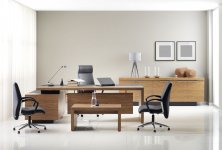
Selecting the high-quality furniture that helps to create an organised workspace or encourages creativity, boosts productivity and your brand identity. whether you're a startup founder, interior designer, or company leader, it improves productivity. Comfortable furniture helps to sit for long hours. This article tells the major office furniture trends that will influence workplaces in 2026. From the clever, tech-integrated solutions to the ergonomic advancements, it also improves productivity and reduces back, neck, or shoulder pain.
1. Ergonomic and Health-Focused Furniture
Nowadays, workers prioritize their comfort and health because they spend a lot of time at their desks. Ergonomic furniture is essential for an efficient workstation, not simply a trendy term.Important characteristics consist of:
- Desks and chairs can be adjusted to promote good posture
- Systems for lumbar support to lessen back discomfort
- Desks that allow you to sit or stand to promote mobility throughout the day
- Mesh materials to improve comfort or airflow
2. Height-Adjustable Workstations
In 2026, height-adjustable or sit-stand desks will be one of the most popular trends. These enable users to switch between sitting and standing positions during the day, unlike conventional fixed-height desks.Advantages consist of:
- Improved blood flow for less inactivity
- Enhanced vitality and attentiveness
- Enhanced contentment among employees
3. Modular and Flexible Furniture Systems
The demands of the workplace are ever-changing. Office furniture must change as teams expand, projects change and departments reorganize.The benefits of modular furniture include:
- Seating and desks that can be adjusted
- Transportable storage devices
- Hubs for collaboration that can be turned into exclusive areas
4. Collaborative and Communal Zones
These Collaborative spaces encourage creativity or teamwork for traditional cubicles. These regions frequently have:- Seating in a lounge
- Low brainstorming tables
- Walls with whiteboards
- Pods for informal meetings
5. Sustainable and Eco-Friendly Furniture
In 2026, sustainability remains a top priority. Furniture selections reflect businesses' increased awareness of their environmental impact.Trends in sustainable office furniture include:
- Materials derived from renewable, repurposed and upcycled materials
- Minimal levels of volatile organic compounds (VOCs)
- certifications such as FSC-certified wood
- Biodegradable packaging
6. Technology-Integrated Furniture
Furniture is changing to accommodate technology as it gets more integrated into daily tasks:- Workstations with integrated wireless charging
- Systems for managing cables that conceal clutter
- Power outlets and USB ports on tables
- Smart workstations that monitor posture and usage
7. Acoustic Solutions & Privacy Pods
Although open layouts are excellent for teamwork, noise management is sometimes lacking. As a result, designers of workplace furniture are coming up with solutions that strike a balance between privacy and openness.Trends in acoustic furniture include:
- Panels that absorb sound
- Privacy-oriented pods
- High-back cushioned seats
- Soft-material partition systems
8. Stylish & Aesthetic Office Furniture
In 2026, style and functionality go hand in hand. Additionally, office furniture influences corporate culture or brand identification. Important design trends consist of:- Simple lines
- Bold highlights combined with neutral color schemes
- Natural elements such as stone or wood
- Modern and Scandinavian styles
9. Personalization & Customization
Furniture should represent the fact that no two businesses are alike. There are more choices for customization, enabling offices to:- Select hues that are consistent with the brand's identity.
- Adapt furniture dimensions to team processes.
- Include individualized storage options
- Adapt ergonomic elements to specific requirements
10. Wellness-Driven Furniture Features
Ergonomics is not the only aspect of wellness. Office furnishings are changing to promote overall well-being, including:- Anti-fatigue standing desk mats
- Balance stools that encourage vigorous sitting
- Relaxing spaces with soft seats
- Furniture with movable lighting
Conclusion
Well-chosen furniture is an asset that influences your work culture, employee productivity and overall business performance in 2026. It is more than just the practical chairs or tabletops– it offers an organized workspace to us. These modern workspaces include adjustable-height desks, ergonomic, eco-friendly materials & tech-enabled solutions that tell how people work.You may design an office that is not only aesthetically pleasing but also an adaptable, healthy & future-ready by implementing the work concepts. The properly furnished furniture lays the groundwork for success, efficiency and teamwork, whether you're constructing a corporate or hybrid workspace.