
Modern POS System for Smart Business Operations
A reliable POS system is essential for businesses that want to manage sales, inventory, and customer transactions smoothly. Whether you operate a retail store, restaurant, supermarket, or service business, a modern POS system helps streamline operations and improve accuracy. Instead of relying on manual record-keeping, companies can automate billing, track stock levels, and generate reports instantly. Technology has transformed traditional cash registers into advanced digital platforms. Today’s POS system solutions combine hardware and software to deliver fast transactions and detailed business insights.What Is a POS System?
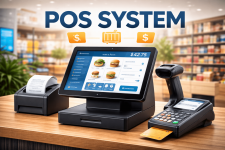
A POS system, or Point of Sale system, is a combination of software and hardware that processes sales transactions. It calculates totals, records payments, and stores transaction data securely. Modern systems often integrate with inventory management, accounting tools, and customer databases.Typical components include:
- Touchscreen terminal or computer
- Receipt printer
- Barcode scanner
- Cash drawer
- POS software
How a POS System Improves Efficiency
A POS system simplifies operations by automating essential tasks. Instead of manual billing, staff can process transactions quickly with minimal errors. Real-time data allows business owners to monitor performance at any time, which is why many companies are upgrading to modern point of sale systems Ireland businesses rely on for efficiency and growth.Key efficiency benefits include:
- Faster checkout process
- Accurate sales recording
- Automatic inventory updates
- Reduced calculation mistakes
- These features help businesses maintain professionalism and customer satisfaction.
Inventory Management Capabilities
Inventory tracking is one of the strongest advantages of a POS system. Every sale automatically adjusts stock levels, providing real-time visibility.With an integrated POS system, businesses can:
- Monitor low stock alerts
- Track fast-moving products
- Manage supplier orders
- Reduce inventory losses
Reporting and Business Insights
Modern POS systems generate detailed reports that assist in decision-making. Sales summaries, product performance reports, and daily revenue tracking provide valuable insights.Important reports often include:
- Daily and monthly sales reports
- Product-wise performance analysis
- Employee sales tracking
- Profit and loss summaries
Payment Integration and Flexibility
A POS system supports multiple payment methods, including cash, credit cards, debit cards, and digital wallets. This flexibility improves customer convenience and reduces transaction delays.Secure payment processing also enhances trust and protects sensitive financial data.
POS System for Different Industries
Different industries use POS systems in unique ways.Retail Stores
Track inventory, manage discounts, and monitor sales trends.Restaurants
Handle table orders, kitchen tickets, and split billing.Supermarkets
Process high-volume transactions quickly with barcode scanning.Service Businesses
Schedule appointments and manage customer records.Each sector benefits from features tailored to its operational needs.
Cloud-Based POS Systems
Cloud-based POS systems store data online rather than on local devices. This allows business owners to access reports from anywhere using internet connectivity.Advantages of cloud solutions include:
- Remote access to sales data
- Automatic software updates
- Secure data backup
- Multi-location management
Security and Data Protection
Security is a major concern for businesses handling financial data. Modern POS systems include encryption and secure login features to protect information. User access controls allow managers to assign permissions to staff members, reducing the risk of internal misuse.Benefits of Investing in a POS System
Implementing a POS system offers long-term advantages.Increased Accuracy
Automated calculations reduce human error.Time Savings
Quick billing improves workflow.Better Customer Experience
Faster service leads to higher satisfaction.Organized Records
Digital storage simplifies audits and accounting.These benefits contribute to sustainable business growth.
Conclusion
A modern POS system plays a crucial role in improving efficiency, accuracy, and profitability. By integrating sales processing, inventory control, and reporting tools into one platform, businesses gain better control over daily operations. Whether for retail, hospitality, or service industries, investing in a reliable POS system supports smooth transactions and informed decision-making.Choosing the right system based on business size and needs ensures long-term success and operational stability.
For more related articles or posts visit here
Attachments
-
 ChatGPT Image Feb 12, 2026, 12_19_52 PM.png542.7 KB · Views: 0