
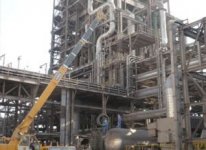
In today’s competitive industrial landscape, organizations constantly seek methods to enhance productivity, reduce operational risks, and optimize capital expenditure. As industries expand and modernize, traditional construction and equipment installation methods often struggle to keep pace with demand. Consequently, skid-mounted systems have emerged as a highly efficient and flexible solution for diverse industrial applications.
A skid-mounted system integrates mechanical, electrical, and control components onto a single structural frame or “skid.” Engineers design and assemble these systems in controlled environments before transporting them to the operational site for quick installation. This approach significantly improves efficiency while maintaining high standards of quality and safety.
Streamlined Deployment: Reducing Installation Time and Complexity
One of the most significant advantages of skid-mounted systems lies in their ability to reduce installation time. Instead of assembling complex equipment piece by piece at the project site, manufacturers fabricate and integrate components in specialized workshops. As a result, technicians deliver fully tested units ready for connection and commissioning.
This off-site fabrication process allows project teams to perform site preparation and system assembly simultaneously. Consequently, industrial facilities can shorten overall project timelines and accelerate operational readiness. Reduced installation complexity also lowers the risk of errors that frequently occur in traditional on-site assembly.
Moreover, skid-mounted systems simplify logistical coordination. Since engineers pre-assemble piping, wiring, and control panels, fewer contractors are required during installation. This consolidation improves communication, enhances workflow efficiency, and reduces the likelihood of costly delays.
Enhanced Quality Control Through Controlled Fabrication
Quality assurance plays a critical role in industrial operations, particularly in sectors such as oil and gas, petrochemicals, water treatment, and power generation. Skid-mounted systems benefit from fabrication within controlled workshop environments, where technicians follow standardized procedures and rigorous inspection protocols.
In these controlled settings, engineers conduct thorough testing, including pressure testing, electrical verification, and performance simulation. The adherence to international certification standards strengthens reliability. For example, compliance with Modular skid fabrication DNV 2.7-1 ensures that skid-mounted units meet stringent structural and safety requirements for offshore and industrial applications. By integrating certified fabrication practices, companies enhance both safety and stakeholder confidence.
Through consistent oversight and standardized quality processes, skid-mounted systems deliver reliable performance that supports long-term operational stability.
Operational Flexibility and Scalability
Industrial environments often demand adaptability. As production volumes fluctuate or process requirements evolve, facilities must modify or expand systems without disrupting ongoing operations. Skid-mounted systems offer unparalleled flexibility in this regard.
Because these systems are modular by design, organizations can integrate additional skids into existing infrastructure with minimal disruption. This scalability allows companies to respond quickly to market demands or regulatory changes. Instead of undertaking extensive reconstruction, operators can simply install new modules to enhance capacity or functionality.
Additionally, skid-mounted systems support mobility. In certain applications, companies relocate entire skids to different sites or projects, maximizing asset utilization. This mobility proves particularly valuable in remote operations, temporary installations, or phased development projects.
By providing both scalability and portability, skid-mounted systems empower industries to maintain operational agility in dynamic environments.
Improved Safety and Risk Mitigation
Safety remains a foundational priority in industrial operations. Traditional on-site assembly exposes workers to environmental hazards, confined spaces, and complex construction conditions. Skid-mounted systems significantly reduce these risks by transferring much of the fabrication work to controlled facilities.
Workshop environments allow engineers to implement structured safety protocols and maintain better supervision. By reducing the number of personnel
required at potentially hazardous job sites, companies lower exposure to accidents and environmental risks.
Moreover, the pre-assembled nature of skid systems minimizes field welding, complex alignments, and heavy equipment handling during installation. This reduction in high-risk activities enhances overall workplace safety and decreases the likelihood of operational interruptions caused by accidents.
Through proactive risk management and safer fabrication practices, skid-mounted systems contribute to a more secure industrial environment.
Cost Efficiency and Lifecycle Value
Although skid-mounted systems may require careful upfront engineering, they often result in substantial cost savings over the project lifecycle. Reduced on-site labor, faster installation, and fewer construction delays contribute directly to lower overall expenses.
Additionally, pre-fabricated systems minimize material waste and rework. Engineers design each skid with precision, ensuring efficient use of materials and accurate alignment of components. Consequently, companies avoid the financial burden associated with correcting on-site errors.
Over time, the durability and reliability of skid-mounted systems reduce maintenance costs. Since engineers test systems before deployment, operators encounter fewer unexpected failures. This reliability enhances operational uptime and maximizes return on investment.
By combining efficiency, quality, and longevity, skid-mounted systems offer significant economic advantages across various industrial sectors.
Engineering Efficiency Through Modular Innovation
Skid-mounted systems represent a strategic evolution in industrial engineering. By streamlining deployment, enhancing quality control, enabling scalability, improving safety, and reducing lifecycle costs, they address many of the challenges faced by modern industries.
Through certified practices such as Modular skid fabrication DNV 2.7-1, organizations ensure structural integrity and compliance with international standards. Ultimately, skid-mounted systems provide a powerful framework for operational efficiency, empowering industries to meet complex demands with precision and confidence.
As industrial sectors continue to pursue innovation and sustainability, skid-mounted solutions will remain a cornerstone of efficient and resilient operations.