
Introduction
DevOps gives beginners the power to build, test, deploy, and manage software with speed and confidence. It connects development and operations into one clear workflow. A beginner can start DevOps with basic tools and still achieve real results. DevOps does not demand deep coding at the start. It demands clarity, automation, and discipline. With DevOps, beginners can automate tasks, manage code, deploy applications, monitor systems, and handle failures. Devops Course with Placement helps learners gain real industry skills and secure job opportunities through hands-on DevOps projects. This guide explains everything beginners can do with DevOps. Read on to know more.
Everything Beginners Can Do With DevOps
Here’s all you can do with DevOps as a beginner.Understanding Version Control With Git
A beginner can manage source code using Git. Git helps track changes and supports team work. It stores code safely and allows rollback. Every DevOps journey starts with Git.Basic Git syntax helps beginners work daily.
With Git, beginners learn branching. Branching allows safe experiments. Merging combines work. Git builds discipline in code handling.
Automating Builds Using CI Tools
DevOps allows beginners to automate builds using CI tools like Jenkins or GitHub Actions. Automation removes manual errors. A CI pipeline builds code after every commit.A simple Jenkins pipeline shows this power.
Beginners learn how code becomes a build artifact. They understand build failures early. CI gives fast feedback. DevOps Online Course allows beginners to learn automation, CI/CD pipelines, and cloud deployment with flexible learning options.
Managing Dependencies and Packages
DevOps beginners handle dependencies using tools like Maven, npm, or pip. Dependency management ensures consistency across environments.Example using npm.

This skill prevents “works on my machine” problems. Beginners learn reproducible builds.
Creating Containers With Docker
Docker is a core DevOps skill. Beginners can package applications into containers. Containers run the same everywhere.A simple Dockerfile explains container basics.
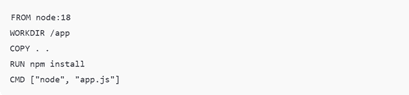
Beginners build and run containers.

This teaches isolation and portability. Docker removes environment confusion. DevOps Master Online Training builds advanced expertise in tools like Docker, Kubernetes, and AWS for career growth.
Orchestrating Containers With Kubernetes
Beginners can deploy containers using Kubernetes. They learn scaling and self healing. Kubernetes manages containers automatically.A basic deployment file helps beginners start.
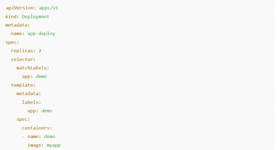
This teaches scaling with replicas. Beginners learn how systems recover from failure.
Automating Infrastructure With IaC
Infrastructure as Code lets beginners create servers using code. Tools like Terraform simplify cloud setup.A basic Terraform script shows infrastructure automation.
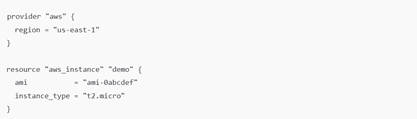
Beginners learn repeatable infrastructure. This reduces manual setup errors.
Deploying Applications to Cloud
DevOps beginners deploy apps to cloud platforms like AWS or Azure. They learn how servers host applications.Example using AWS CLI.

This skill connects DevOps with real production systems. Beginners gain confidence in cloud usage.
Implementing Continuous Deployment
CD allows beginners to push code to production automatically. This removes fear of releases. Every change becomes small and safe.A simple GitHub Actions workflow shows CD.
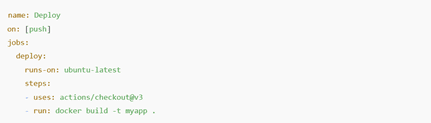
Beginners learn release automation. This improves speed.
Monitoring Systems and Applications
DevOps teaches beginners to monitor systems using tools like Prometheus or CloudWatch. Monitoring shows health and performance.Beginners learn metrics and logs. They detect issues early.
Example of checking logs.

This builds operational awareness.
Managing Configuration and Secrets
Beginners handle configs using environment variables. This separates code from configuration.Example in Linux.

This skill improves security and flexibility.
Improving Collaboration and Workflow
DevOps improves team collaboration. Beginners learn shared ownership. DevOps encourages communication and transparency.Tools like Slack integrations or issue trackers support this culture. Beginners grow as team engineers.
Handling Failures and Rollbacks
DevOps prepares beginners for failure handling. Rollbacks become easy due to automation.Example rollback in Git.

This builds confidence. Beginners stop fearing mistakes.