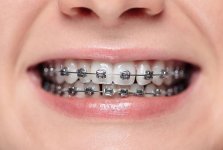
Orthodontic treatment straightens teeth, but retention secures those results. In the middle of post-treatment care, a
Dental Retainer stabilizes newly aligned teeth, while Retainers for Teeth counteract natural shifting forces. Teeth are constantly influenced by chewing, speaking, and aging processes. Without proper retention, gradual movement can compromise alignment. Retainers provide the structural support necessary to maintain both appearance and bite balance. They represent the final and most important phase of orthodontic success.
Custom Fit and Material Advancements
Modern retention devices are designed for precision and comfort. In the middle of advanced fabrication techniques, a Dental Retainer is custom-molded to fit the unique shape of each dental arch, while Retainers for Teeth are created from durable plastic or reinforced acrylic materials. Clear options offer discreet wear, making them suitable for both day and nighttime use. Fixed retainers provide continuous stability, whereas removable types offer flexibility. Proper fit enhances comfort and encourages long-term compliance.
Developing a Sustainable Routine
Long-term retention depends on consistent habits. In the middle of daily maintenance practices, a Dental Retainer should be worn according to professional instructions, and Retainers for Teeth must remain secure during use. Initially, extended wear may be recommended to stabilize teeth fully. Gradual transition to nighttime wear is common once alignment is secure. Neglecting usage can allow minor movement that affects overall stability. Maintaining a structured routine ensures predictable and lasting results.
Hygiene and Protective Care
Keeping retainers clean protects both the appliance and oral health. In the middle of daily hygiene efforts, a Dental Retainer requires gentle cleaning to remove plaque, and Retainers for Teeth must be handled carefully to prevent cracks or distortion. Storing the retainer in a sturdy case prevents accidental damage. Avoiding extreme temperatures helps preserve material integrity. Routine dental visits confirm that the retainer continues to function effectively and fits properly.
Oral Health and Bite Stability Benefits
Retainers contribute significantly to overall dental wellness. In the middle of preventive oral strategies, a Dental Retainer maintains correct tooth spacing, while Retainers for Teeth help distribute bite pressure evenly across the dental arch. Proper alignment reduces the likelihood of gum irritation and uneven enamel wear. Balanced forces during chewing also minimize strain on jaw joints. By maintaining structural harmony, retainers support both aesthetics and function.
Monitoring Changes Over Time
Teeth can shift subtly as years pass. In the middle of ongoing dental monitoring, a Dental Retainer may need replacement due to wear, and
Retainers for Teeth might require minor adjustments to maintain alignment. Regular checkups allow early detection of movement and ensure timely intervention. Long-term commitment to retainer wear protects the effort invested in orthodontic treatment and prevents unnecessary corrective procedures.
Conclusion
A Dental Retainer and Retainers for Teeth serve as reliable safeguards for maintaining straight teeth and balanced bite alignment. With consistent use, proper maintenance, and professional oversight, they ensure long-lasting stability and help preserve a healthy, confident smile for years to come.
