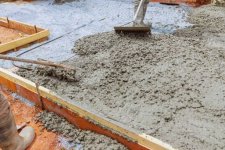
Surface restoration begins with understanding the specific challenges of the existing material. In the middle of this analysis phase,
concrete resurfacing addresses surface wear and structural imperfections, while engraving tools assist in identifying areas suitable for decorative or functional detailing. This understanding helps guide the restoration process. Accurate assessment ensures that the chosen techniques align with performance requirements and visual goals, reducing the risk of future surface issues.
Customization and Design Control
Modern restoration projects often focus on personalization and style. In the middle of design planning, concrete resurfacing allows the application of new textures and finishes, while engraving tools support controlled customization through patterns and surface markings. This approach enables creative freedom without extensive demolition. Custom design options help transform outdated surfaces into visually appealing features that match contemporary design preferences.
Application and Technique Precision
Precision during application directly affects final quality. In the middle of execution, concrete resurfacing requires even layering and proper curing, while engraving tools ensure accurate pattern placement and depth control. Careful technique prevents inconsistencies and enhances surface performance. Precision-focused application leads to a refined finish that balances durability with aesthetic detail, supporting long-term satisfaction.
Strength and Functional Improvement
Restored surfaces must perform reliably under daily conditions. In the middle of durability planning, concrete resurfacing reinforces the existing base, while engraving tools create surface features that do not weaken structural strength. This combination improves resistance to wear and environmental stress. Functional improvements ensure the surface remains safe, stable, and visually consistent throughout its service life.
Maintenance Efficiency
Ease of maintenance is a key advantage of modern restoration methods. In the middle of upkeep considerations, concrete resurfacing produces smooth, sealed surfaces that resist staining, while
engraving tools define details that remain visible with minimal cleaning. Simplified maintenance reduces time and cost over the long term. Efficient care routines help preserve both design and function.
Conclusion
Successful surface restoration depends on thoughtful technique and material choice. In the middle of restoration planning, concrete resurfacing delivers reliable renewal of existing surfaces, while engraving tools add precision and decorative versatility. Together, they create durable and customized results. With proper execution and care, restored surfaces continue to provide value, performance, and visual appeal well into the future.
